01. Dental Exams Reveal More Than Just About Your Dental Health
Many people often ask questions like:
- Why are dental exams important?
- Why do I need to go to the dentist if nothing hurts?
- Is it true that dentists detect other health problems?
- What can a dentist tell about my health?
The reason you should never skip your dental visits is that routine dental exams do much more than just check for cavities. Dentists can often spot early warning signs of serious health conditions — not just problems regarding your dental health— including diabetes, heart disease, osteoporosis, vitamin deficiencies, acid reflux, infections, sleep-related issues, and even oral cancer.
Professional dental cleanings and exams also help remove plaque and tartar buildup that brushing and flossing alone cannot fully remove. Early detection is one of the biggest reasons regular dental checkups are so important.
If you wait until something hurts, the problem is often more advanced, more expensive, and more difficult to treat. So yes- it’s why we recommend going to the dentist when nothing hurts.
02. You Can’t Always Feel a Cavity Until It’s Too Late
One of the biggest misconceptions about dental health is that pain always comes first. Patients are often surprised when they’re told they have cavities because they immediately ask questions like:
- Why doesn’t my cavity hurt?
- Can you have a cavity without pain?
- How do I know if I have a cavity?
- If I don’t feel pain or see a cavity, why am I being told I have one?
The reality is that cavities can grow silently for months — sometimes even years — before causing discomfort. Most cavities start very small and are often invisible to the naked eye, only detectable through dental x-rays and professional dental exams.
By the time a cavity becomes painful or visibly noticeable, the decay has progressed much deeper into the tooth. At that stage, treatment may require a larger filling, dental crown, or even root canal treatment — procedures that are more extensive, more expensive, and require more time in the dental chair.
When cavities are detected early, they are typically smaller. If treated right away, treatment is quicker, more affordable, and often can be completed comfortably in a single visit.
Routine dental x-rays and preventive dental exams are one of the best ways to catch cavities early — before they become painful dental emergencies.
The earlier a cavity is found, the easier it is to protect your tooth, your dental health, and your wallet!
03. Bleeding Gums Are NOT
Many people assume their gums bleed because they are brushing too hard — but that’s usually not the case. Bleeding gums are not normal; they are often a warning sign that something is wrong.
If you’ve ever searched for questions like:
- Why do my gums bleed when I brush?
- Is bleeding when flossing normal?
- How do I stop bleeding gums?
…it may be a sign that it’s time to have your gums professionally evaluated.
Healthy gums should not bleed regularly. Bleeding gums are often one of the earliest signs of gingivitis or gum disease caused by inflammation and bacterial buildup around the gumline.
The good news is that early gum disease is usually reversible when treated early with professional dental cleanings, improved home care, and proper periodontal treatment.
Ignoring bleeding gums can allow gum disease to progress into periodontitis — a more serious condition that can lead to gum recession, chronic inflammation, bone loss, loose teeth, and even tooth loss.
For more advanced or complicated gum issues, the best recommendation is often to see a periodontist — a dental specialist who focuses on gum health and the supporting structures of the teeth. A periodontist can properly evaluate your gums and determine the best treatment options for your specific needs.
At our office, we have a periodontist right here in-house. If we notice signs of gum disease or other periodontal concerns during your dental exam, our team works closely together to consult with our periodontist and create the best course of action tailored specifically for you and your dental health needs.
Because the earlier gum disease is detected, the easier it is to treat and protect your long-term oral health.
>Learn More
04. Braces Are Not Just for Kids
If you think braces are just for kids — think again! Today, more adults than ever are choosing orthodontic treatment to improve their smile, bite, confidence, and overall dental health.
Because the reality is, many adults begin noticing changes in their teeth as they get older, which is why people frequently search for questions like:
- Why are my teeth shifting as I get older?
- Can adults get braces?
- Do teeth move after braces?
- Are adult braces bulky and noticeable?
- I want straighter teeth, but is it too late for braces?
The good news? Straightening your teeth is now easier, more comfortable, and more discreet than ever before.
Even people who had braces as children may notice their teeth shifting later in life. Teeth naturally move over time due to aging, chewing forces, clenching, grinding, missing teeth, and changes in the jaw.
Orthodontic treatment for adults is not just cosmetic — straighter teeth are often easier to clean, maintain, and keep healthy long-term. Proper alignment can also improve bite function and help reduce uneven wear on teeth.
Today, adults and teens have more orthodontic options, including traditional braces, Damon braces, and nearly invisible options with clear braces or aligners.
An orthodontic evaluation can help determine the best treatment option for your smile, bite, lifestyle, and long-term dental health goals.
No matter your age, it’s never too late to invest in your smile.
> Learn More
05. Your Bite Could Be Causing Headaches, Jaw Pain, or Neck Pain
Many people suffer from frequent headaches, migraines, jaw pain, neck pain, or facial pain without ever considering that the problem may actually be dental-related.
Because the symptoms don’t seem connected to the teeth, many patients spend years searching for answers elsewhere — trying medications, injections, specialists, or temporary pain relief — without ever discovering the true root cause.
In many cases, chronic head, neck, jaw, and facial pain may be connected to an imbalanced bite.
If you’ve searched questions like:
- What is causing me frequent headaches?
- Looking for headache treatment near me
- How do I stop migraines naturally?
- Why does my jaw and head hurt?
- TMJ specialist near me
- Can my teeth cause headaches or neck pain?
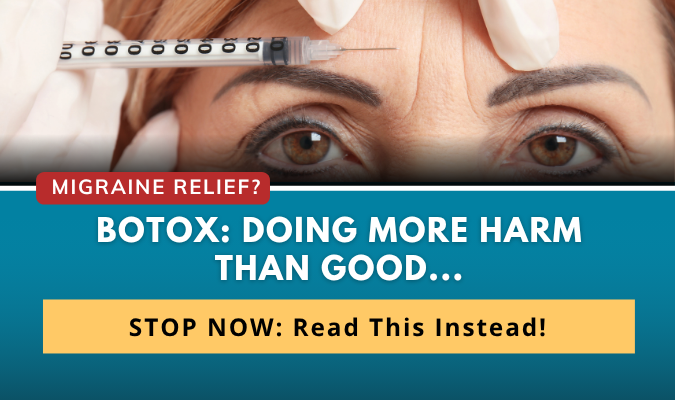
- Is Botox a good option for migraine relief?
…you may want to consider having your bite evaluated first by a dental specialist trained specifically in bite correction and TMJ-related conditions.
An uneven bite can place excessive strain on the jaw joints, muscles, and surrounding structures. Over time, this tension may contribute to:
- Tension headaches
- Migraines
- TMJ pain
- Jaw soreness
- Facial pain
- Neck pain
- Teeth grinding and clenching
Many patients are surprised to learn that dental problems can affect far more than just their teeth.
Dr. Jerry Simon has spent more than 40 years helping patients identify and treat bite-related head, neck, and facial pain. He has treated thousands of patients and developed patented technology designed to help diagnose bite imbalances that may be contributing to chronic discomfort and headaches.
A proper bite evaluation can help determine whether your symptoms may be connected to the way your teeth and jaw fit together — and whether dental treatment may help provide long-term relief.
> Learn More
Early Detection & Preventive Care Matter More For Your Dental Health Than Most Realize
The best way to avoid painful, costly, and complex dental problems is through preventive dental care and routine dental visits.
Regular dental exams, professional cleanings, cavity detection, gum evaluations, orthodontic monitoring, and bite assessments all work together to help protect not only your smile — but your overall health as well.
If it’s been a while since your last dental visit, Dental Care Awareness Month is the perfect reminder to take a proactive approach to your oral health.
Start prioritizing your dental health today:
- Treat small cavities before they become painful dental emergencies
- Complete recommended dental treatment before problems worsen
- Schedule your routine dental exams and cleanings ahead of time — and keep them!
- Stay consistent with preventive dental care and professional cleanings
- Don’t ignore symptoms like bleeding gums, shifting teeth, jaw pain, or headaches
The earlier dental problems are detected, the easier, more affordable, and less invasive the treatment usually is. Your smile, comfort, health, and confidence are worth it. Schedule your next dental appointment today!


 wpengine
 May 12th, 2026





 1500 Summer Street Stamford, CT
 203-324-6171


